Paddock 1 & Paddock 2
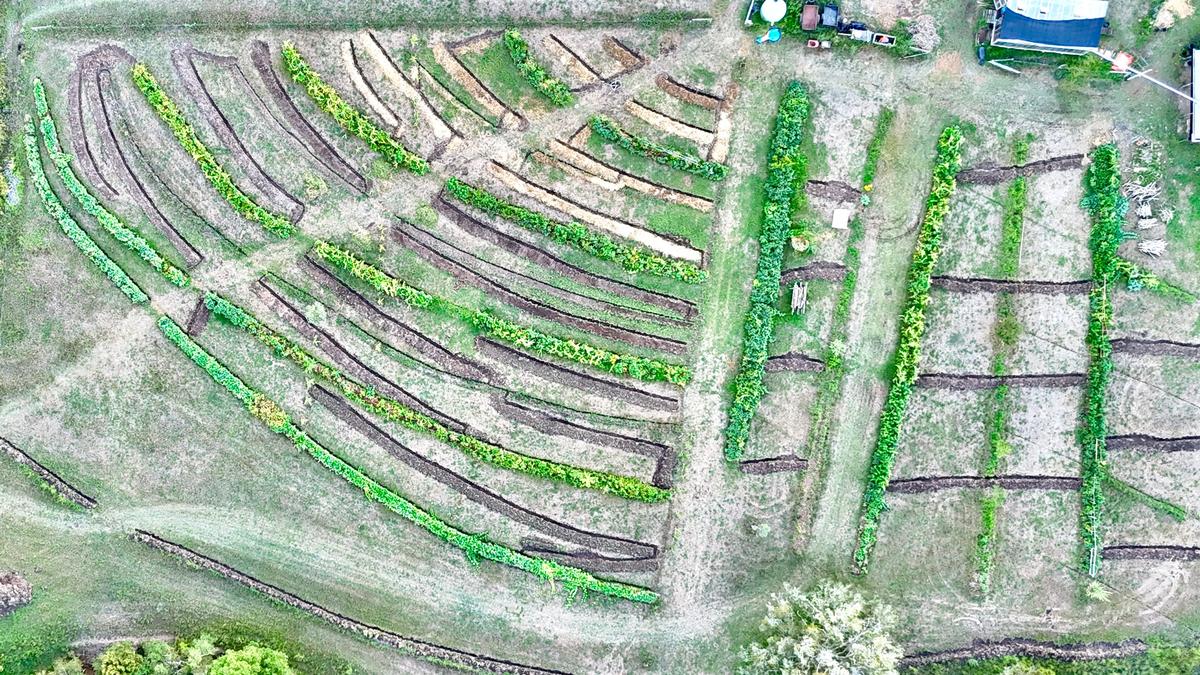
Almost all of the farm's effort and attention is concentrated in the two paddocks in front of the main house — P1 and P2. Both are laced with rows and trenches designed to help manage water across the land.
Tree Rows & Trench Rows
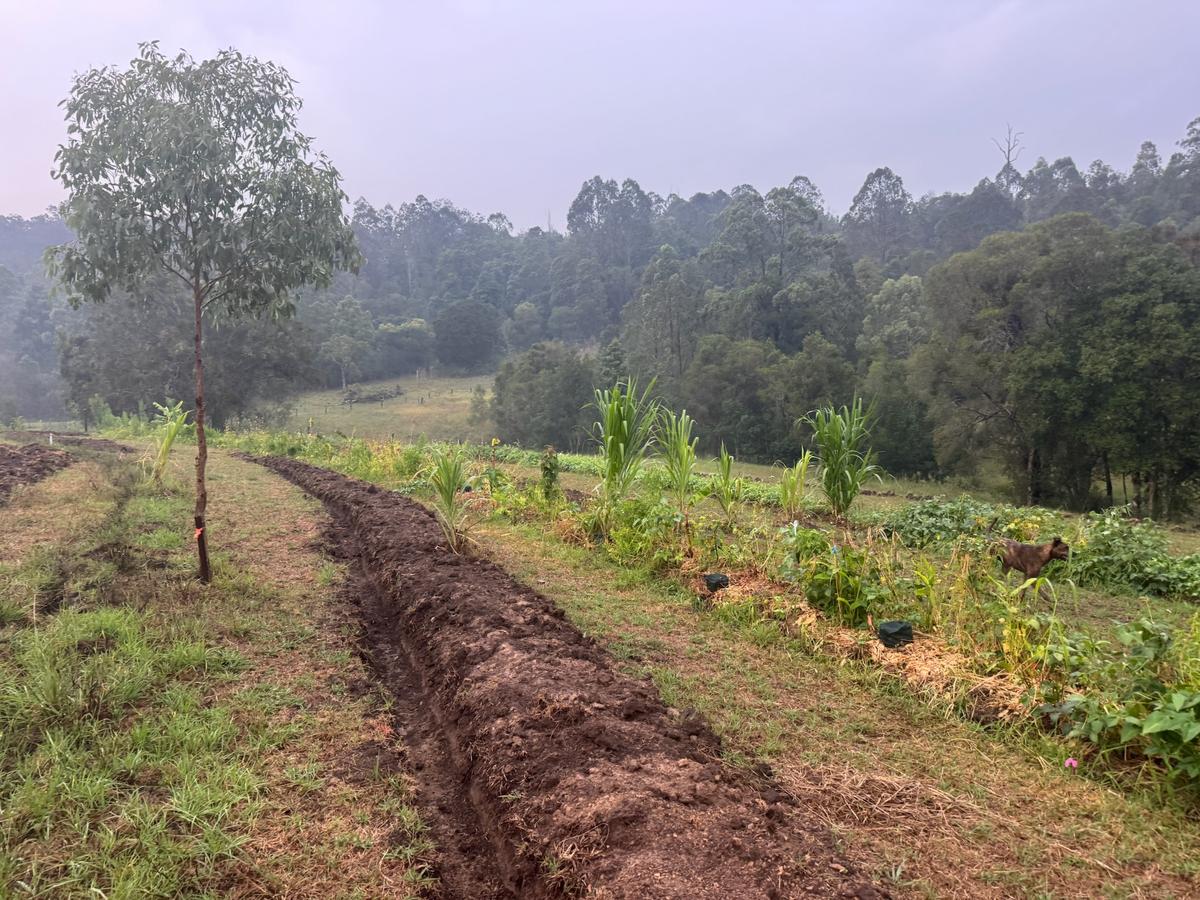
Within each paddock there are two types of rows, both designed around managing water.
Three Kinds of Plants
Every plant on the farm falls into one of three categories — a practical shorthand for making quick decisions in the field.
Invasives
Species that grow aggressively from seeds carried by birds, cattle, and wind. Not all are harmful, but they tend to outcompete the plants we want. We manage them — we don't ignore them, but we don't panic about them either.
Green Manure Plants
Plants we deliberately seed onto the rows — typically in spring or winter — to cover the soil and feed it. They do the same job as animal manure: adding nutrients and building soil health. They grow densely and require little maintenance once established.
Precious Plants
The plants we invest the most care in. Grown from seed or cuttings in the nursery, nurtured until strong enough, then transplanted into the rows. These are the long-term residents of the food forest — trees, herbs, food plants.
If you're unsure whether to remove a plant — ask first. Invasives are managed, green manure is used, and precious plants are always treated with care. When in doubt, leave it.
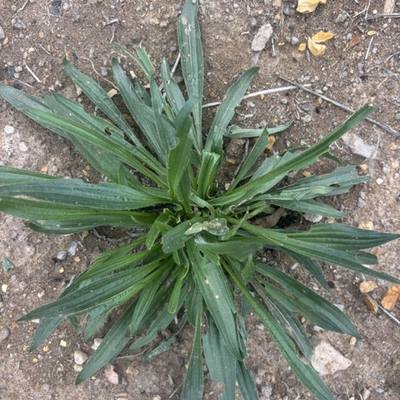
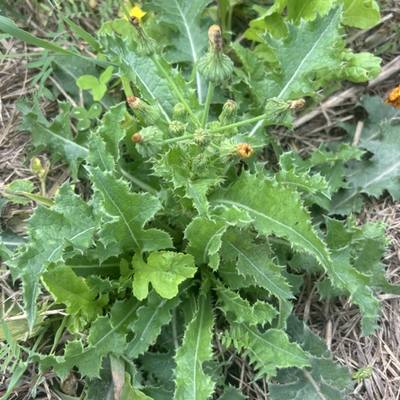
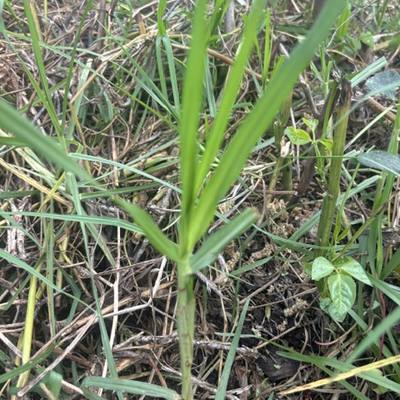
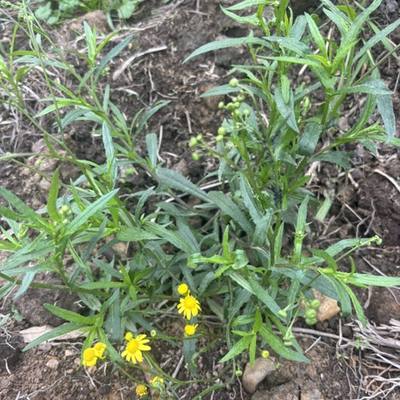
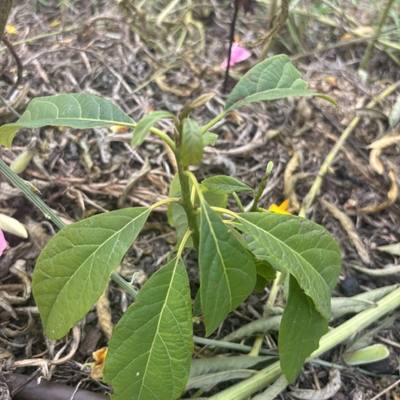
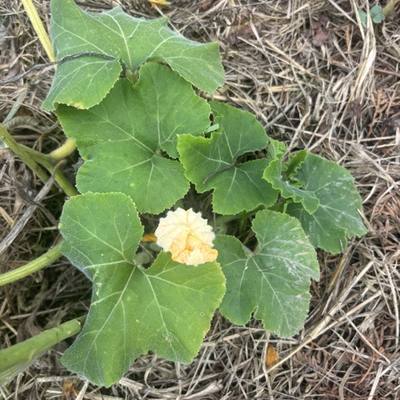
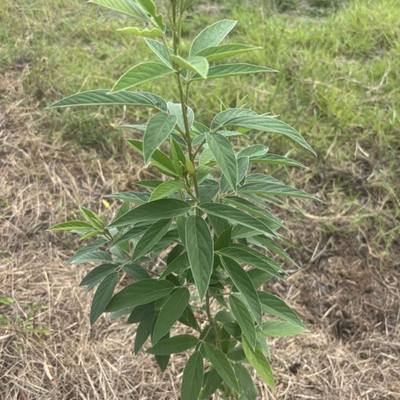
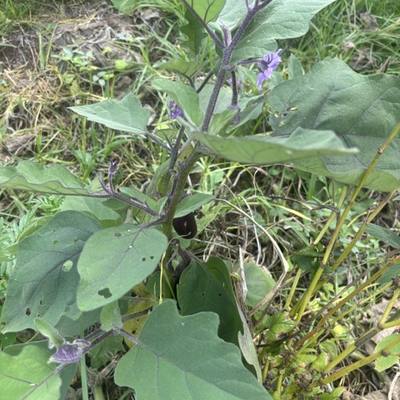
Know Your Plants
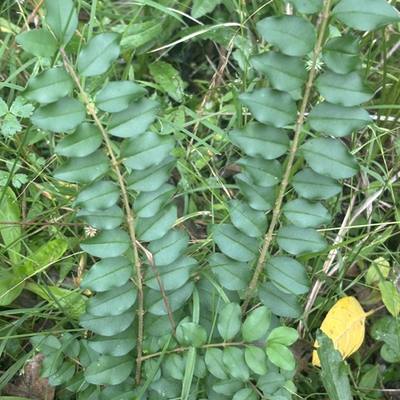
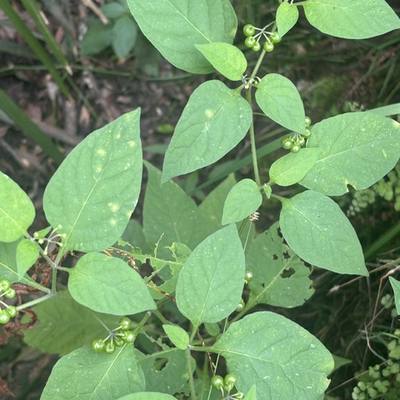
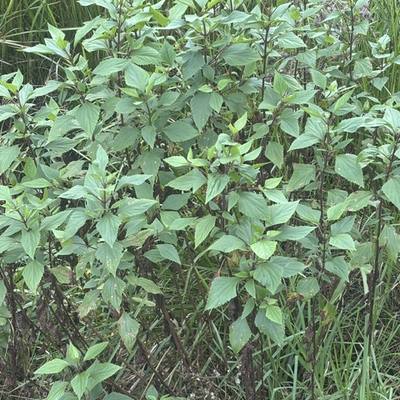
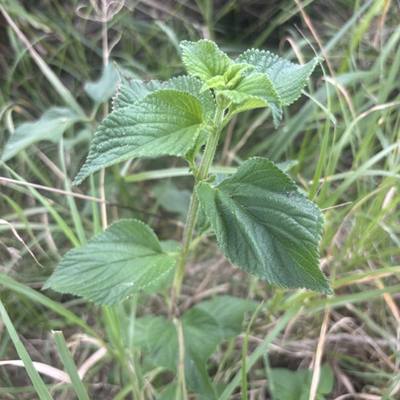
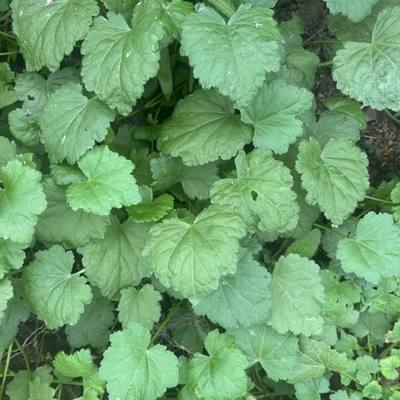
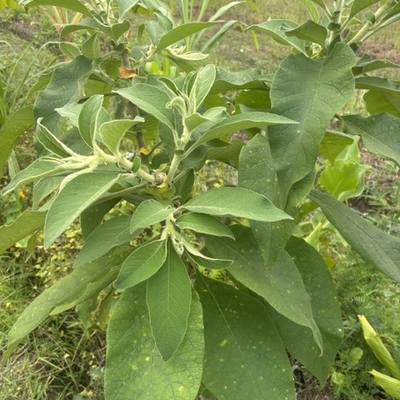
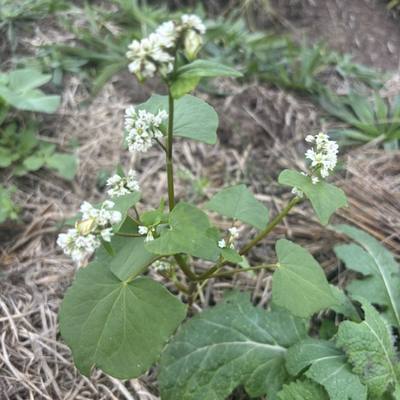
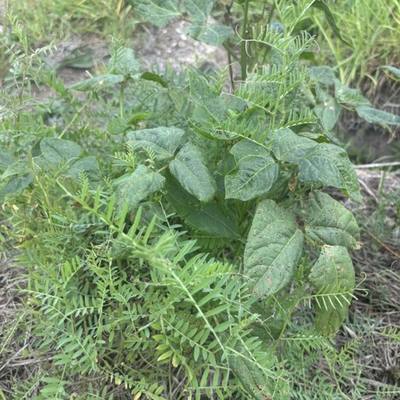
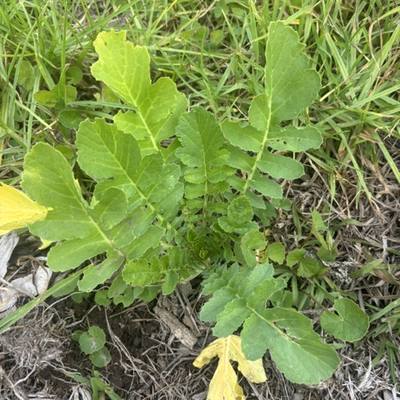
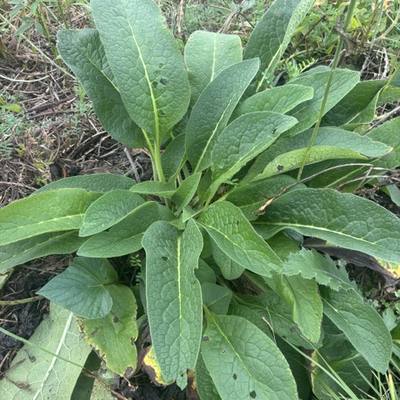
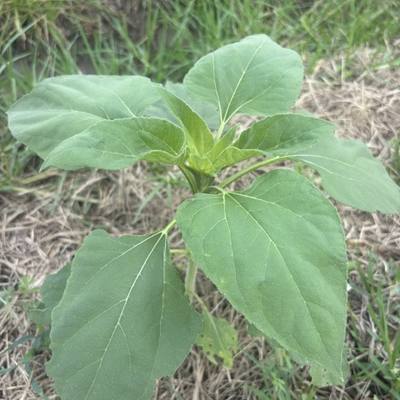
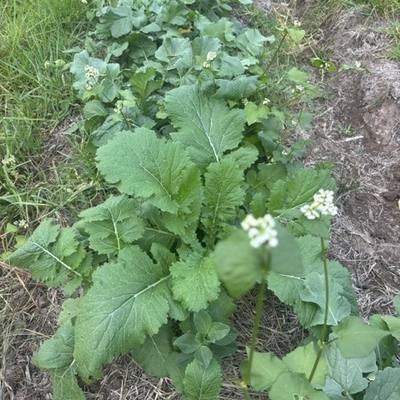
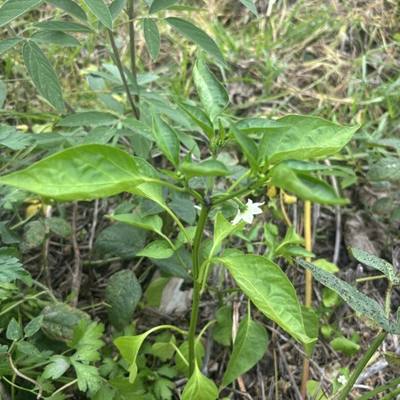
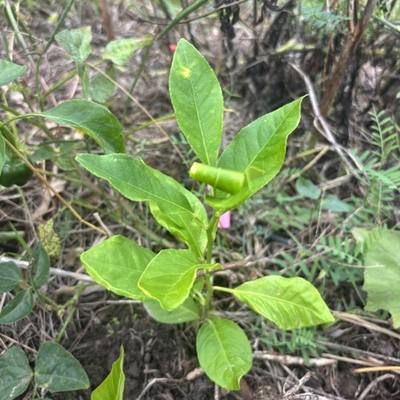
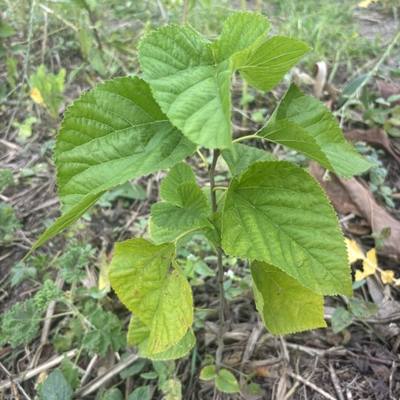
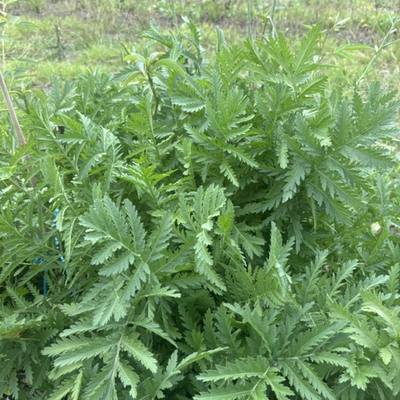
These are some of the plants you'll encounter at Firefly Corner.