
The Land — Three Thirds
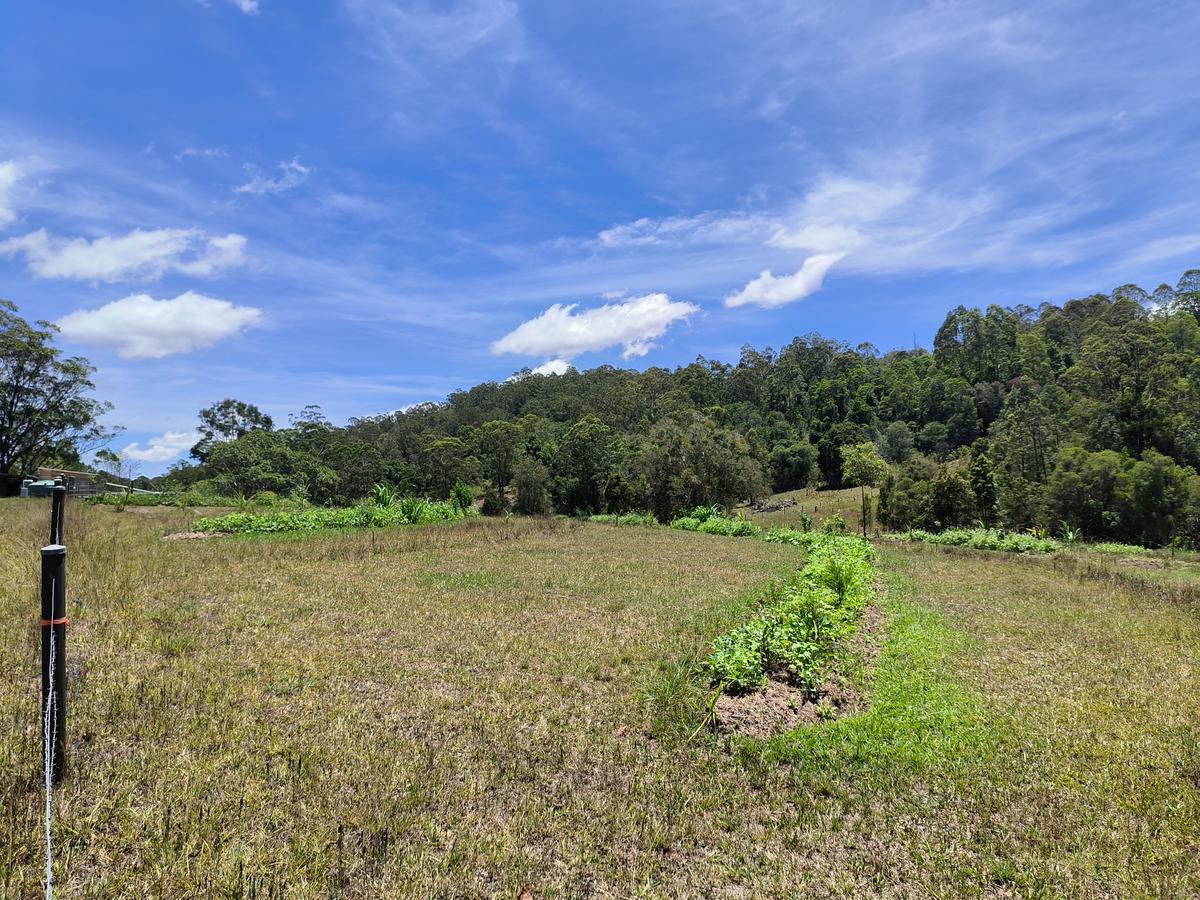
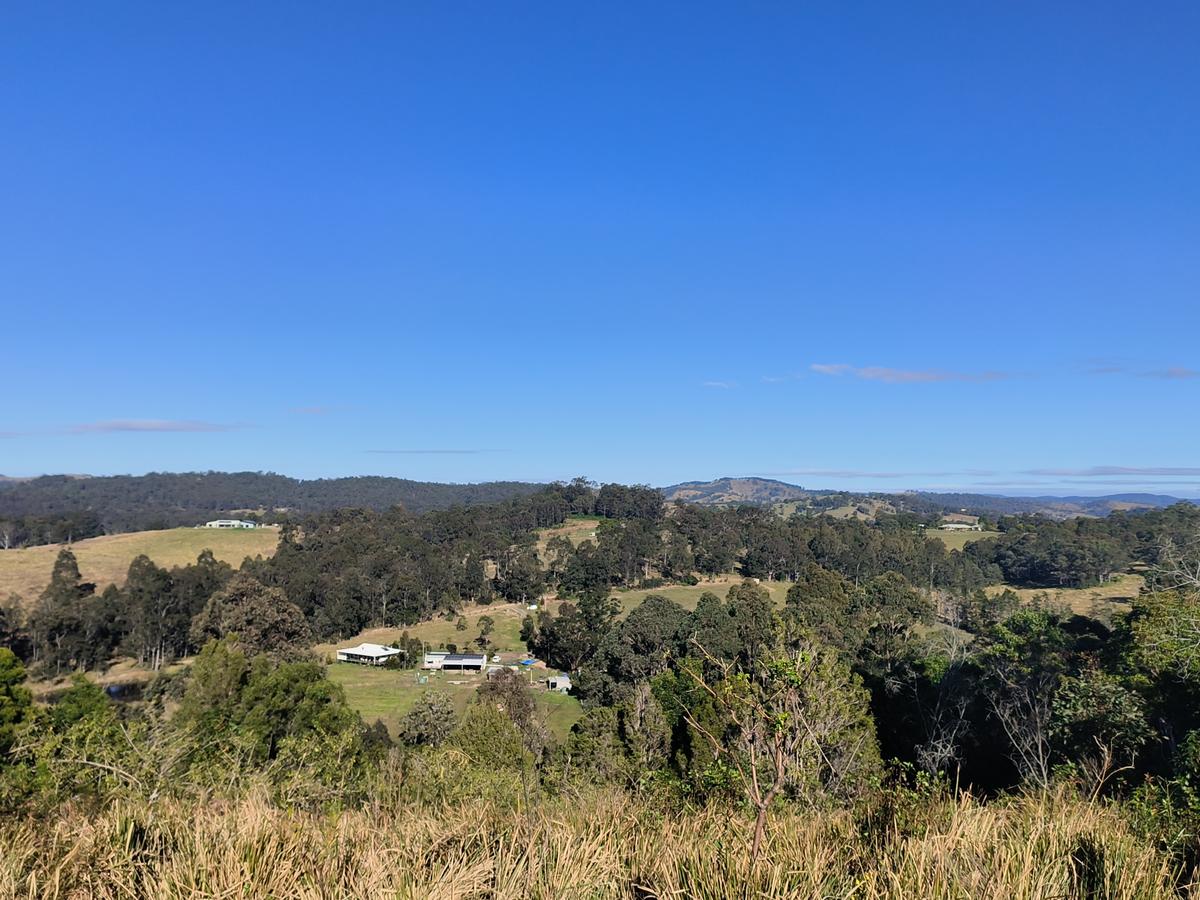
Firefly Corner is 65 acres, split roughly into three equal parts.
Where We Live
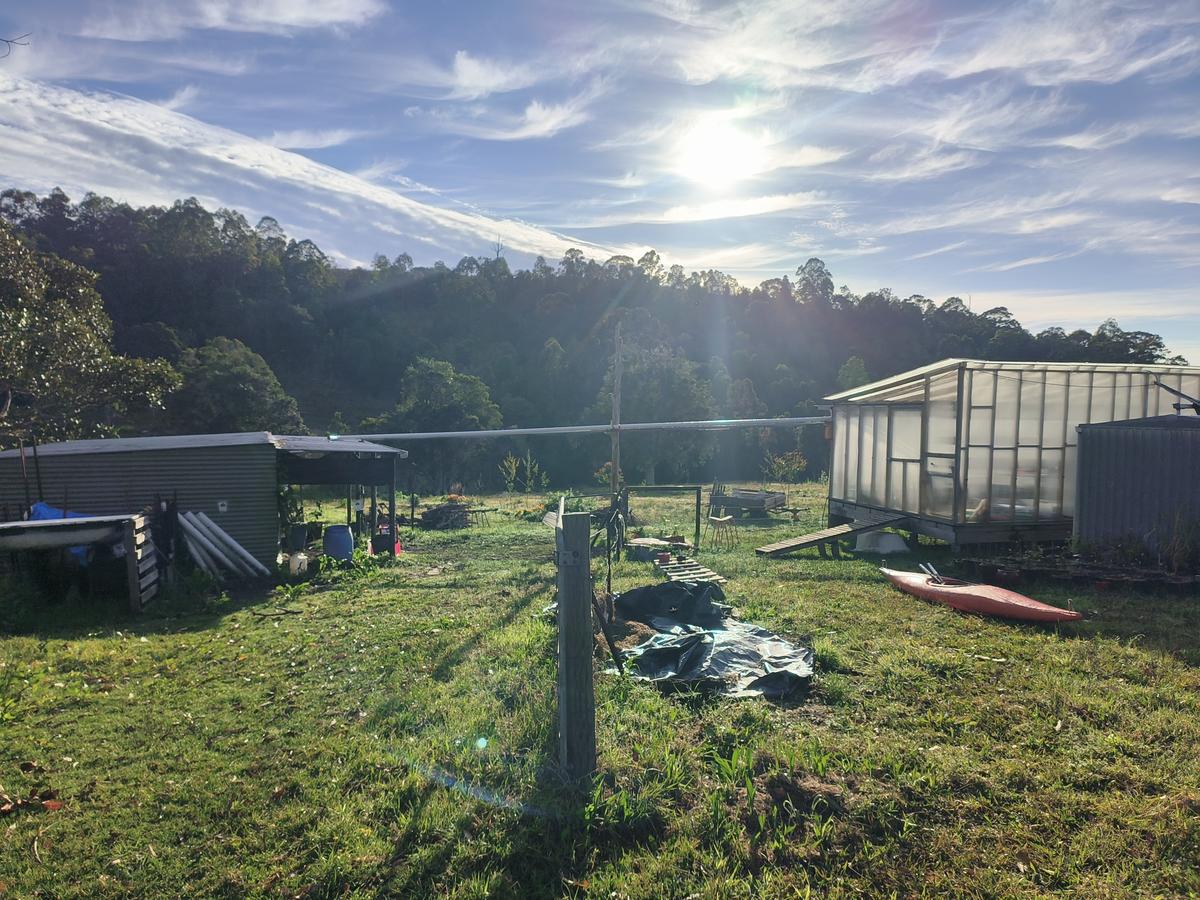
There are two sets of buildings on the property, separated by a short walk.
The main house is where James and Agnes live. Attached to it are the toolshed, the plant nursery and greenhouse, and several working sheds. There's also a separate studio for visiting guests.
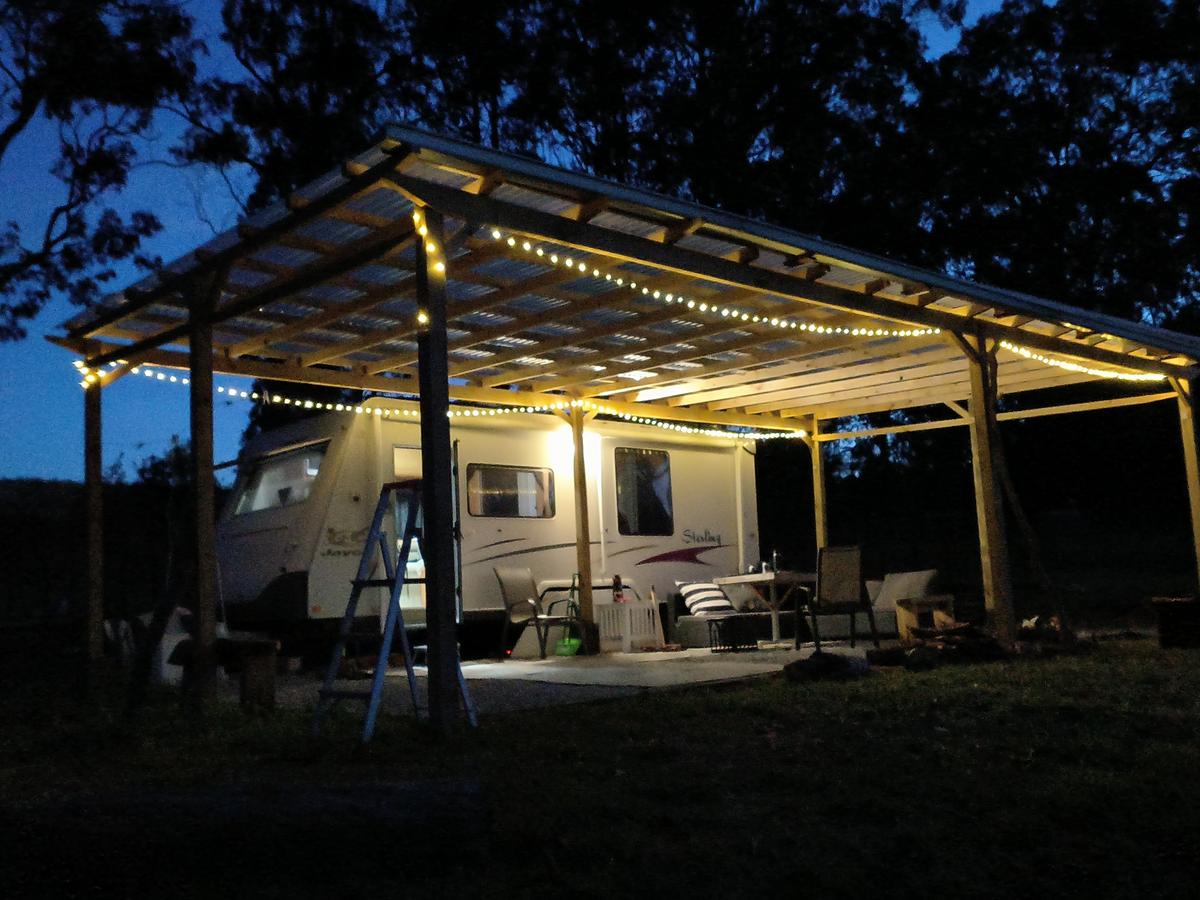
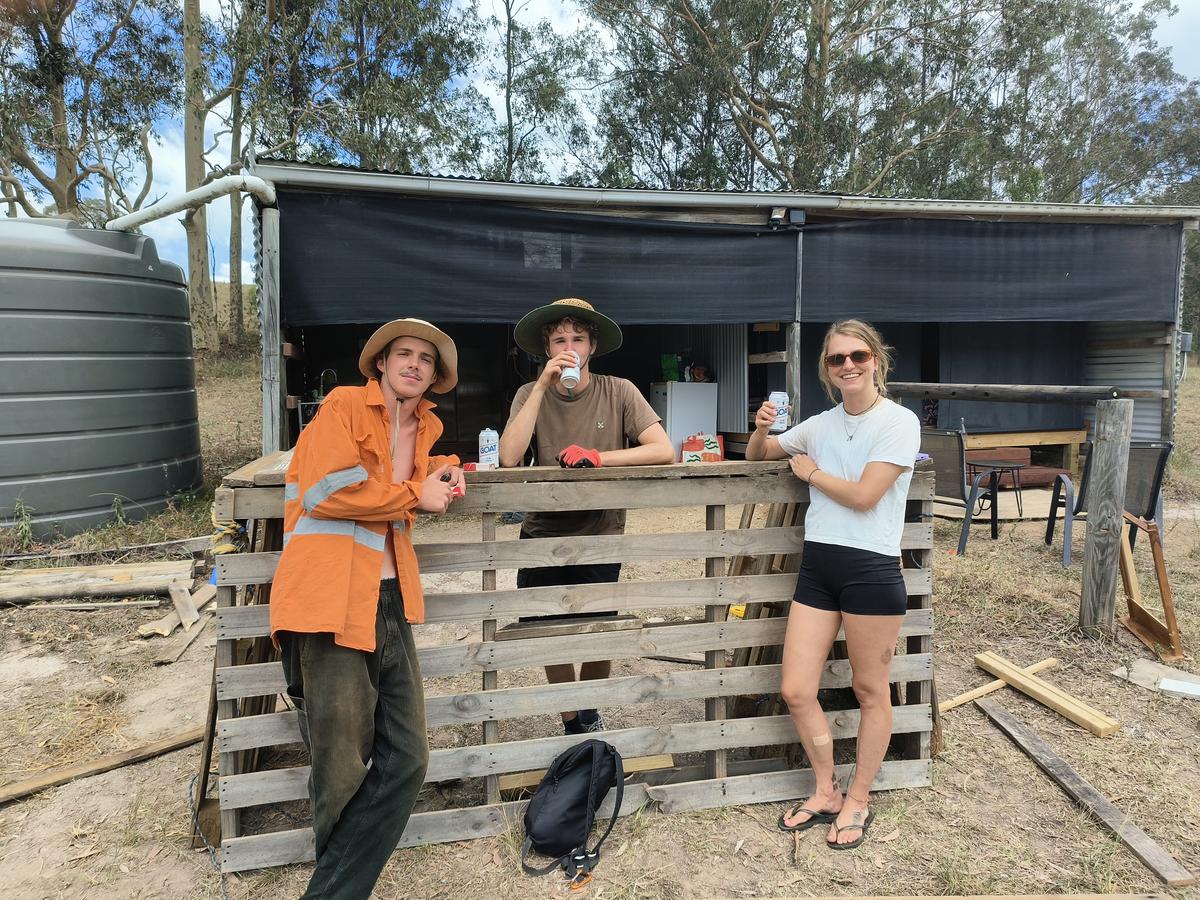
The WWOOFer camp is a renovated and repurposed stable — fitted out with a shower, dry toilet, and bunk accommodation. Alongside it sits the WWOOFer caravan, which is considerably more comfortable in cooler months: it has running water, both 12-volt solar power (from panels on the caravan roof and stable roof) and a 240-volt mains feed from the main house. The camp has its own dedicated Starlink internet connection.
Tools, Sheds & Nursery
-
MJ Shed The main working shed — hand tools, equipment, and smaller gear all live here.
-
Main Toolshed Houses the larger vehicles — tractor and quad bike.
-
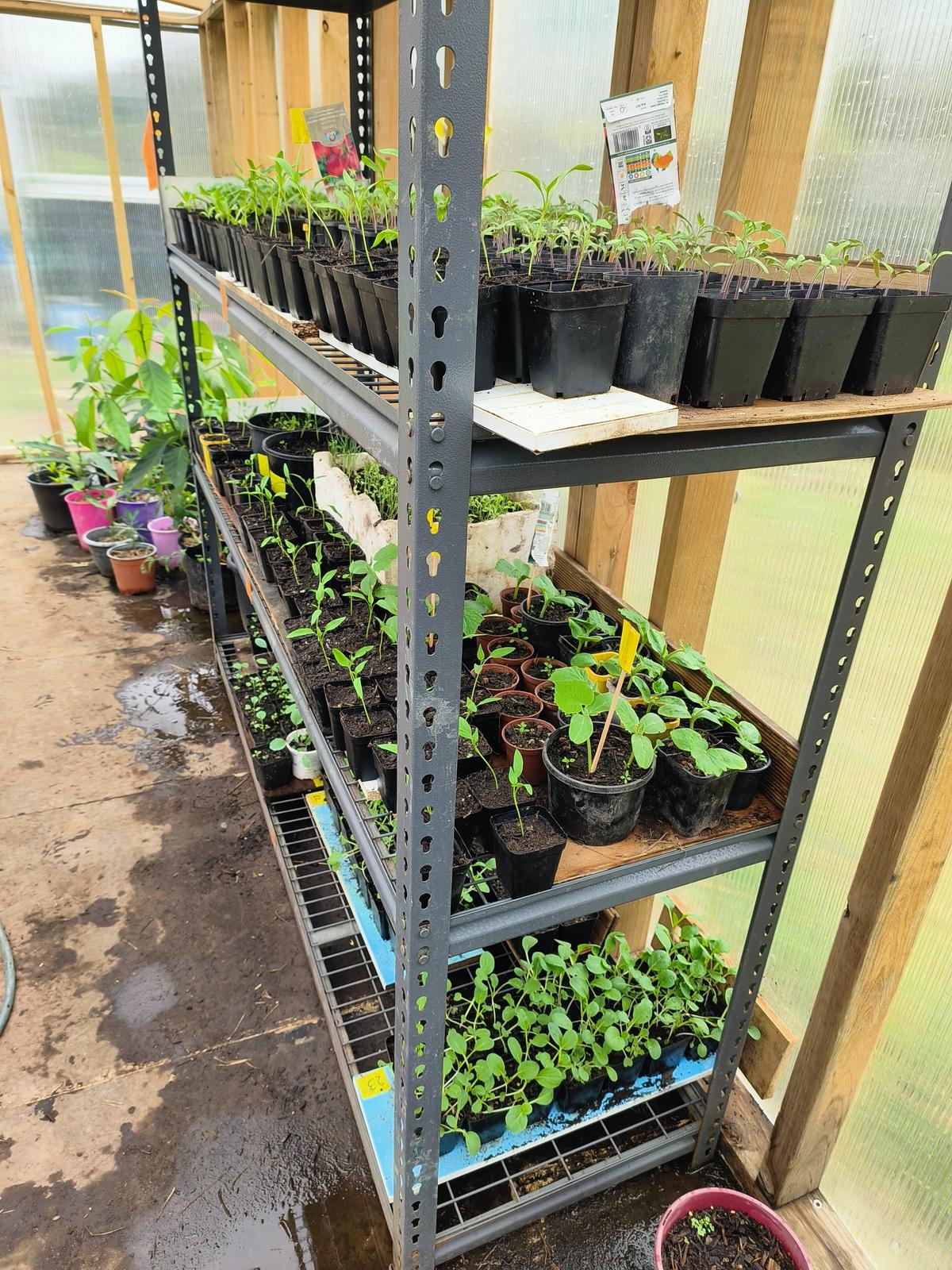
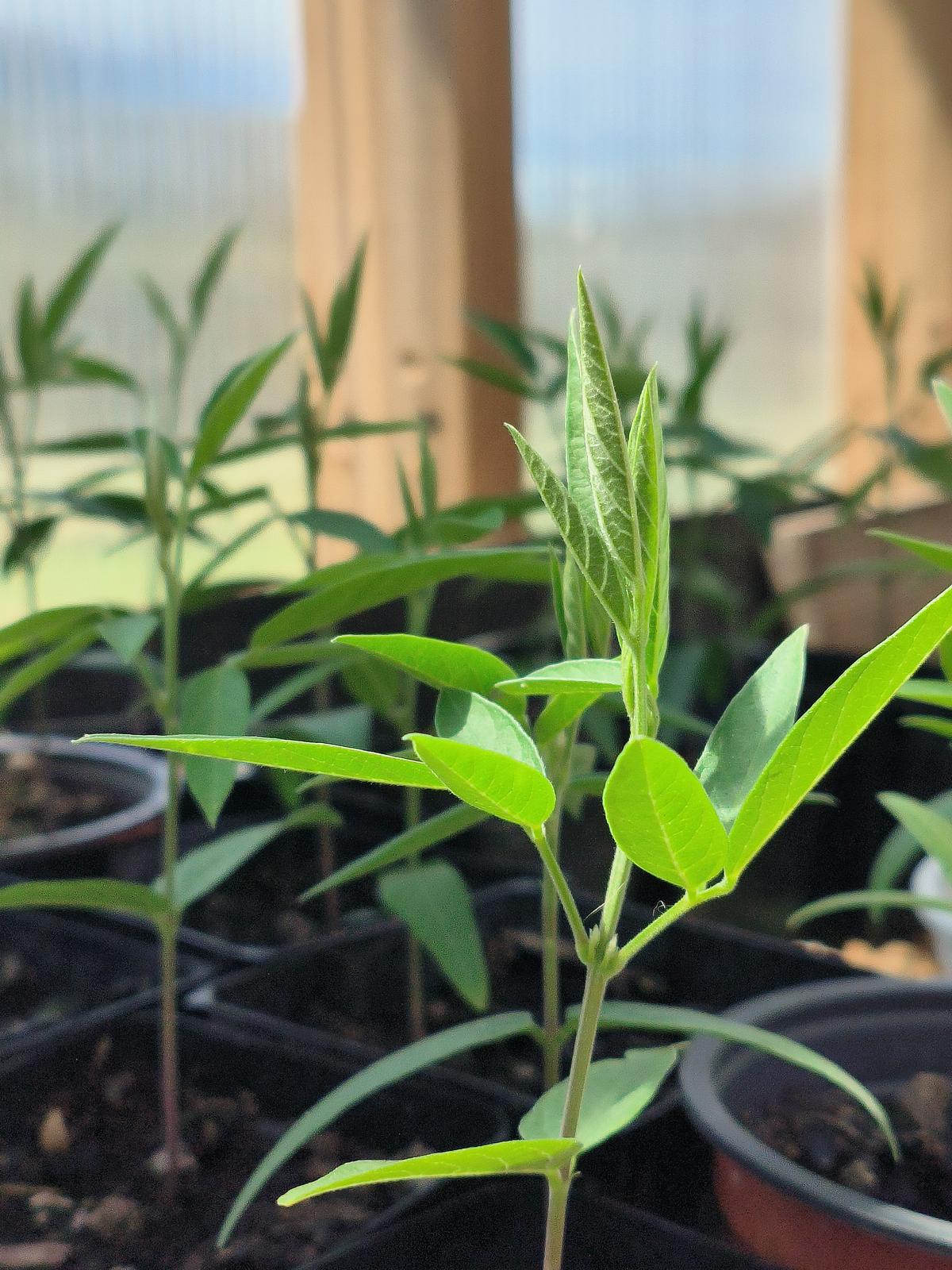
Plant Nursery / Greenhouse Where seeds are sown, cuttings taken, and seedlings raised before going into the rows. You'll spend a lot of time here.
Water — Dam, Tanks & Pumps
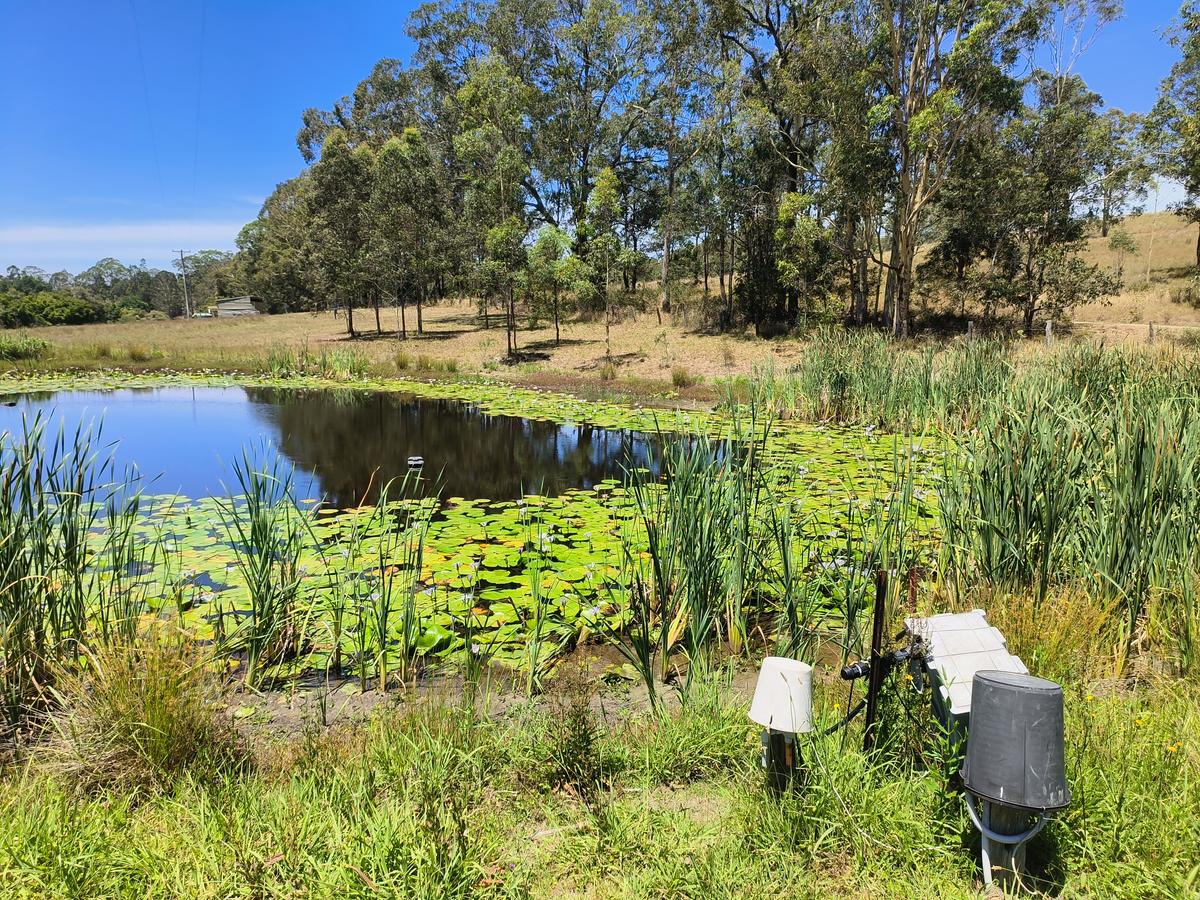
Water management is central to everything we do. There is one main dam on the farm, sitting between the main house and the WWOOFer camp. From there, a network of tanks and irrigation lines distributes water across the paddock areas. You'll become familiar with the pump system quickly — it's a regular part of the daily routine, especially in dry periods when hand-watering with hoses supplements the laid irrigation lines.
The Machinery
-
Kubota Tractor Fitted with a mulcher on the back and a 4-in-1 bucket on the front for loading, unloading, and moving materials around the farm.
-
Quad Bike + Trailer Used throughout the paddocks for moving cut grass, mulch, and plants. Quick and practical across the terrain.
-
John Deere Ride-On Mower Our main mower for cutting the paddock grass that becomes mulch for the rows.
-
Push Lawnmower A smaller push mower used for tighter or more detailed cutting work.
-
Electric Whipper Snipper & Chainsaw The whipper snipper is used regularly for managing the rows and trimming edges. The chainsaw handles heavier work — clearing along the creek and into the forest margins.
The Daily Rhythm
We're not early risers at FFC. The day starts gently — a few coffees, a check of the nursery plants, watering and planning the day ahead. Then we work through the morning, take a proper break for lunch, and continue in the afternoon for as long as the light holds.
Meals: Breakfast and lunch are your own responsibility. The WWOOFer camp has full cooking facilities and fridge space, so you can shop and prepare your own food comfortably. We're happy to point you to the most convenient places to shop nearby. Your essential food expenses will be reimbursed. Every evening we eat together as a group — James cooks a meal for everyone to share. It's a good way to unwind, connect, and close out the day.
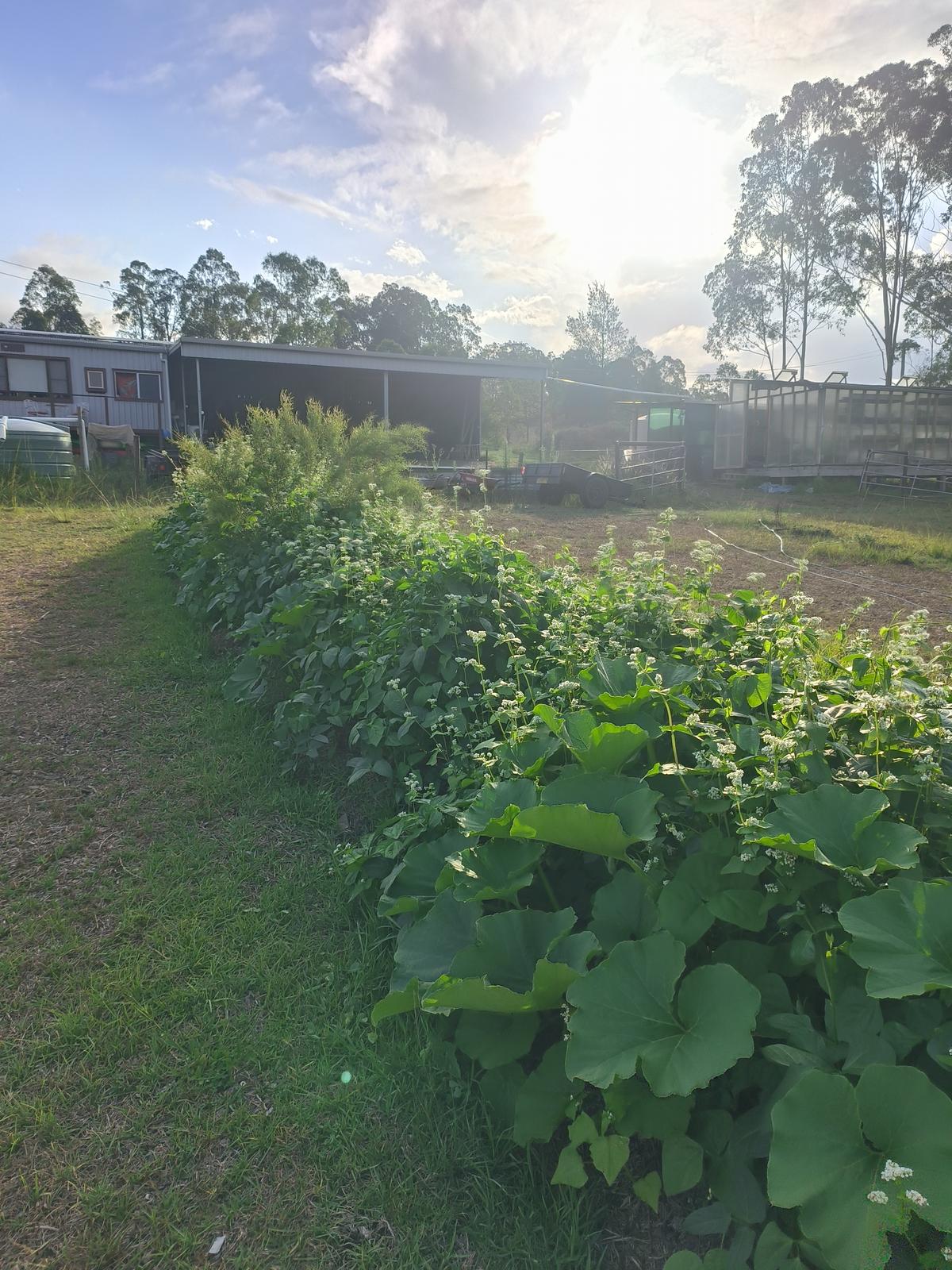
The work itself varies by season and what the rows need, but the core tasks you'll rotate through are:
Every task — whether you're mowing, planting, or making compost — is feeding the soil. That's the thread that connects all of it.